Feeding Cats with Dementia: Routine Solutions
By Hyejin Park • 9th Dec
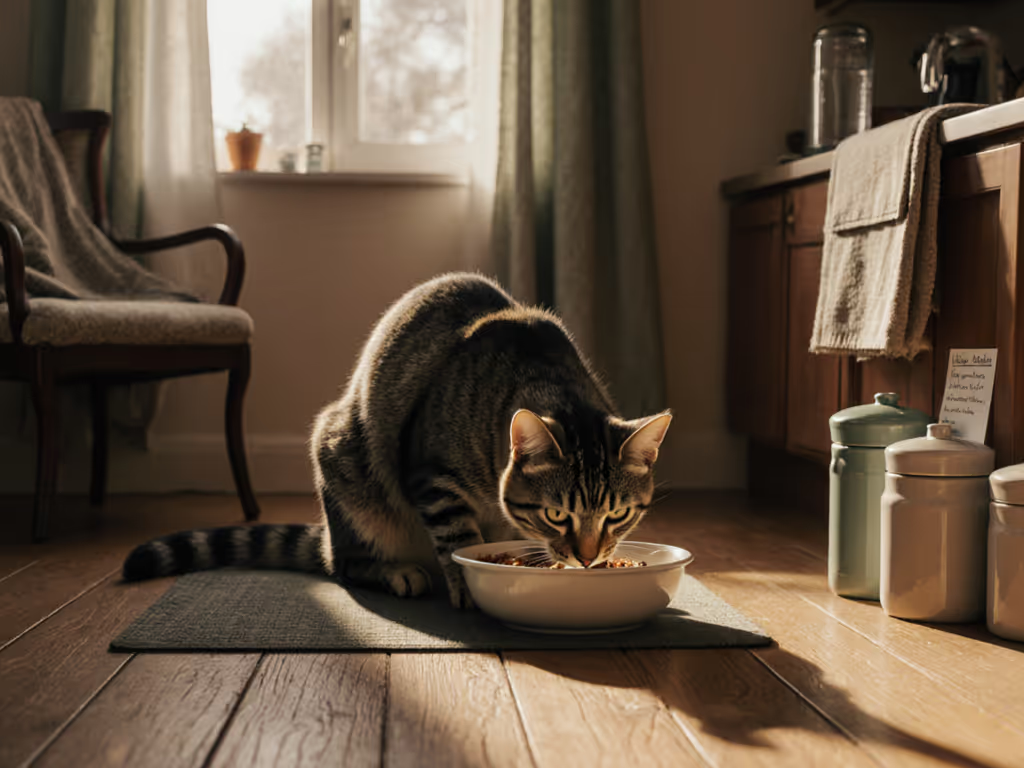
As a caregiver to a cat with cognitive decline, feeding cats with dementia requires tailored strategies. Feeding for cognitive decline hinges on routine, nutrient-specific diets, and environmental adaptations to support brain health and ease mealtime stress. Evidence indicates that up to 28% of cats over age 12 show signs of cognitive dysfunction[10], making targeted nutrition essential. Drawing from clinical studies and feline geriatric care guidelines, this FAQ deep dive addresses the intersection of neurology, nutrition, and practical home care.
How does dementia affect a cat's eating habits?
Cognitive dysfunction disrupts memory, spatial awareness, and appetite regulation. Cats may:
- Forget food locations or feeding routines.
- Struggle with bowl recognition due to diminished senses.
- Exhibit inappetence from confusion or anxiety[1][5].
What nutritional adjustments support brain health?
Diets for cognitive decline should prioritize:
- Ketones from MCTs: Medium-chain triglycerides (e.g., coconut oil) provide alternative brain fuel when glucose metabolism falters[1][3].
- Antioxidants: Vitamins E, C, and B12 combat oxidative stress in aging brains[3][7].
- High protein: Preserves muscle mass; aim for >40% meat-based content[6][7].
- Controlled phosphorus: Supports kidney function, critical in seniors[10].
Commercial diets like Hill's Prescription Diet b/d include these nutrients[3]. Always consult your vet before switching foods.
Why is meal timing critical?
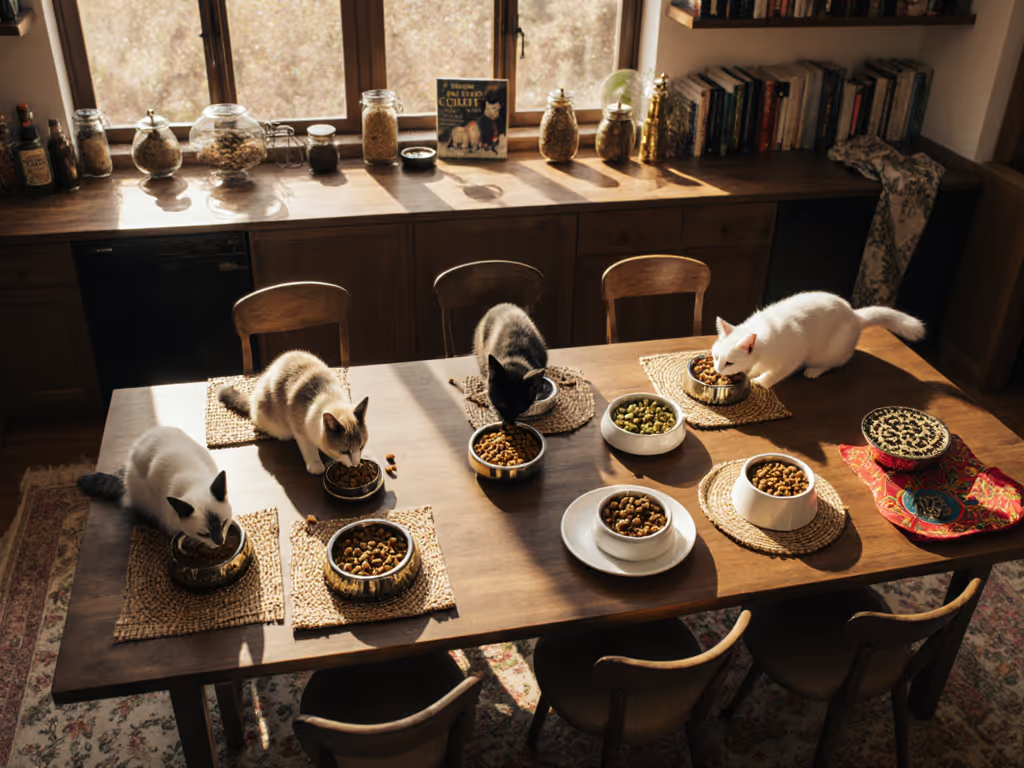
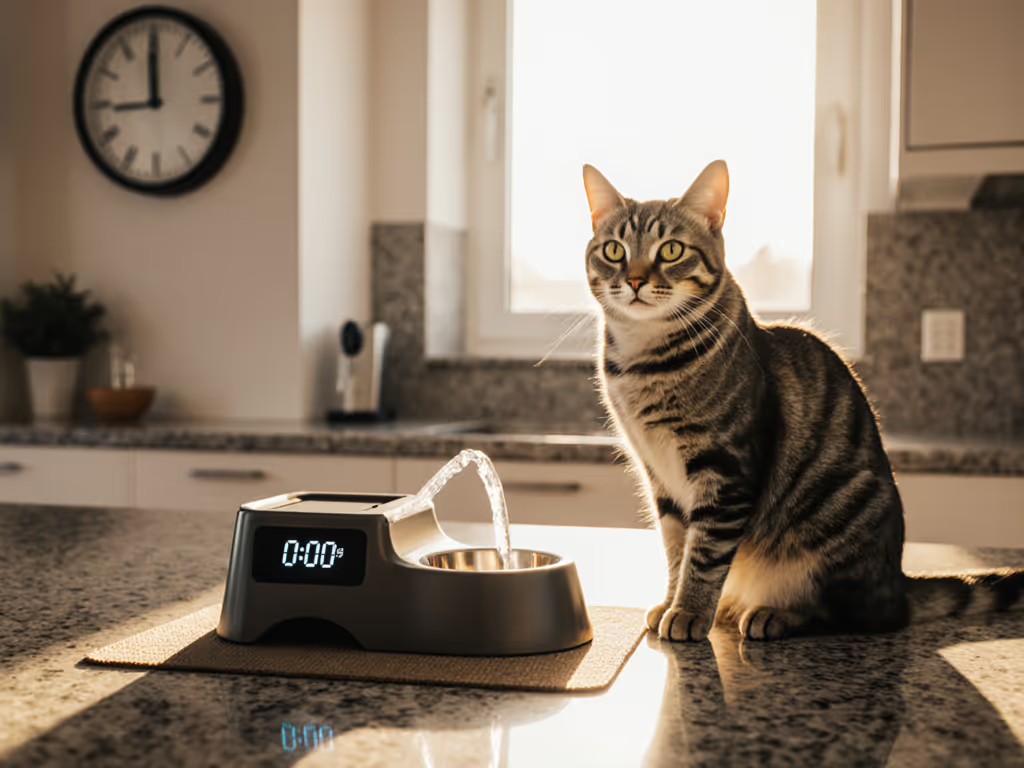
Four to six small meals daily prevent overwhelm, aid digestion, and reinforce routine[4][5]. Schedule feeds at consistent times, since disruptions intensify confusion. Learn the biology in our feeding timing science guide. Automated feeders (e.g., the PetSafe Simply Feed) enable precision timing without human reliance
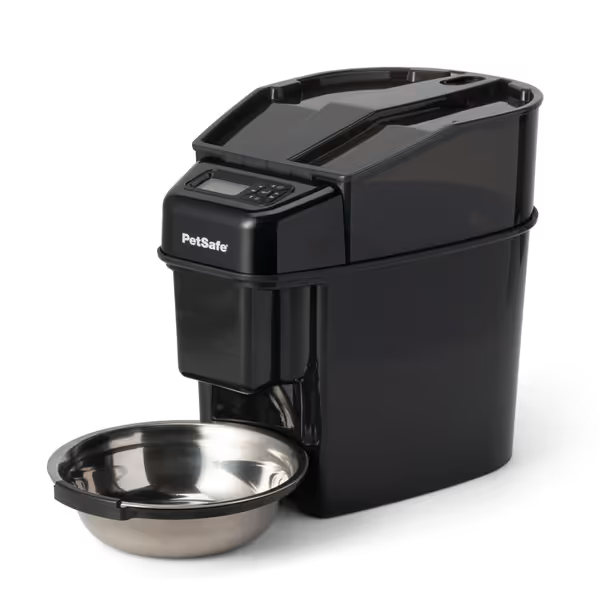
PetSafe Healthy Pet Simply Feed
Automates cat feeding with precise portions to manage weight and prevent gorging.
$64.53
Capacity24 Cups Dry/Semi-Moist Food
Capacity24 Cups Dry/Semi-Moist Food
Pros
Reliable, scheduled feeding for portion control.
Slow-feed option prevents fast eating, reducing upset.
Pet-proof design deters food theft between meals.
Cons
Programming can be challenging for some users.
Wall adaptor and batteries sold separately.
Customers find the automatic feeder reliable and appreciate its ability to dispense the correct amount of food throughout the day. The product runs on batteries that last forever, and customers consider it well worth the money.
Customers find the automatic feeder reliable and appreciate its ability to dispense the correct amount of food throughout the day. The product runs on batteries that last forever, and customers consider it well worth the money.
.
How can I optimize the feeding environment?
Reduce sensory strain
- Low-glare lighting near bowls improves visibility[1].
- Silent settings minimize distractions[5].
Choose accessible equipment
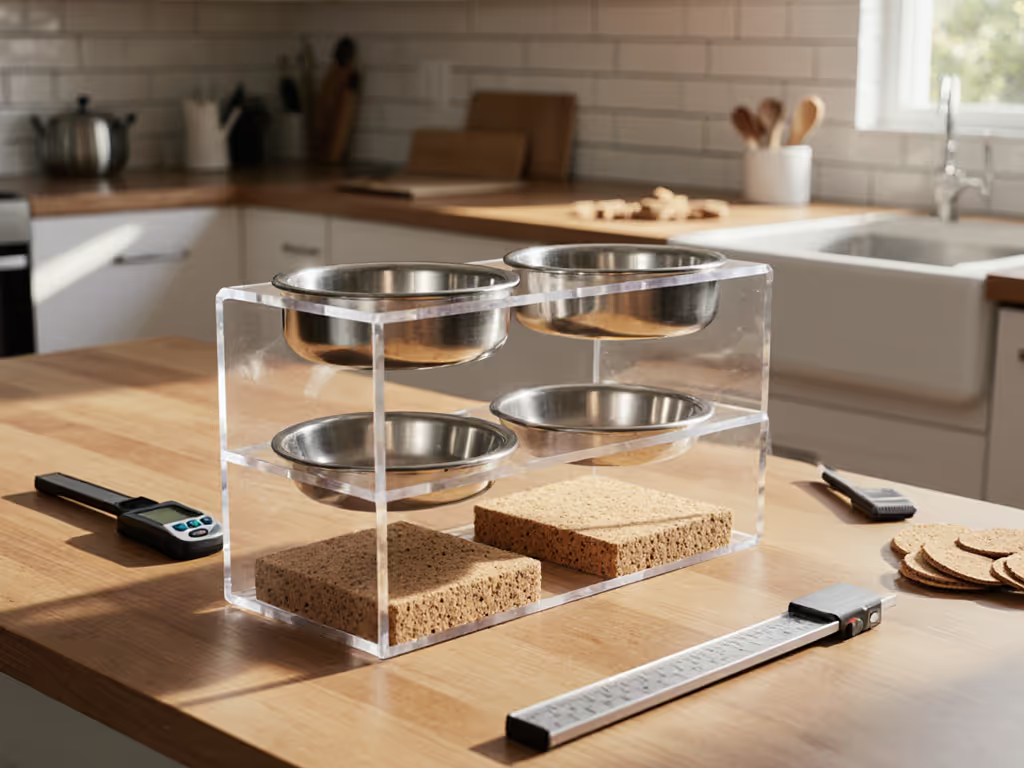
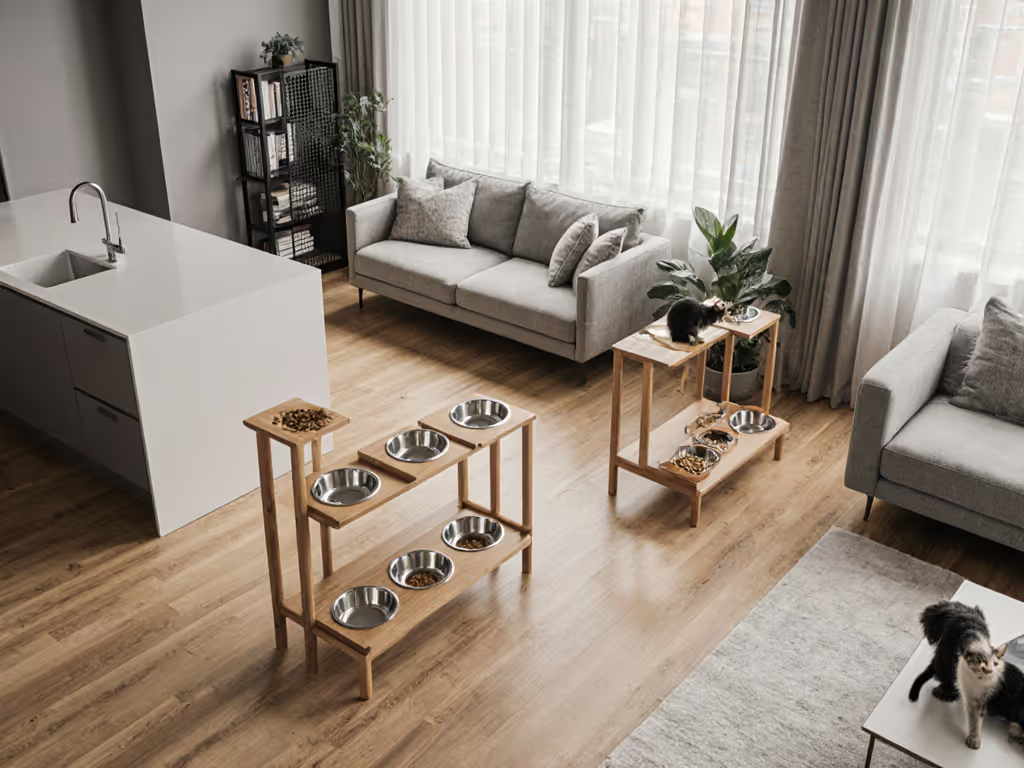
- wide, shallow stainless bowls prevent whisker fatigue and simplify access[4][6].
- Non-slip mats contain spills within a 6 to 8 inch radius[1][5].
Warm food slightly
Enhancing aroma with gentle warming (to about 98 F/37 C) boosts palatability[4][5]. Consider cat food warmers for safe, consistent temperatures.
What if my cat refuses food?
Hand-feeding or tasty toppers (e.g., broth) incentivize eating[5]. Offer pea-sized portions, since large servings intimidate[5]. If refusal persists:
- Remove uneaten food.
- Reoffer in 20 minutes.
- Consult your vet to rule out pain or illness.
Why does cleanliness matter?
Cognitive decline heightens aversion to odors or residues. Dishwasher-safe bowls (stainless steel preferred) enable daily sanitization, aligning with "clean by default" principles, a lesson reinforced when bacterial swabbing proved simpler designs harbor fewer pathogens[6].
How do I monitor progress?
Track metrics
- Weekly weigh-ins detect weight loss/gain.
- Body Condition Scoring (1-9 scale) identifies muscle loss[2][7].
Adjust portions
Overweight cats need fat restriction; underweight cats benefit from calorie-dense foods[7]. Split daily rations using programmable feeders for accuracy.
Final Considerations
Hydration support is non-negotiable. Add water to wet food or use cat water fountains, prioritizing quiet operation to avoid startling[1][8]. For cats coexisting with dementia, consistent routines aren't just convenient, they are neurological lifelines. As one veterinarian notes, "If it's hard to clean, it won't stay clean" (a mantra for sustainable care)[1][5][6].
Further exploration: Pair dietary strategies with enrichment (e.g., puzzle feeders) to stimulate cognition holistically[1][3]. Always collaborate with your vet to tailor plans to your cat's bloodwork and behavior.
Related Articles