Seasonal Cat Feeding: Right Portions for Summer vs Winter
By Diego Álvarez • 28th Nov
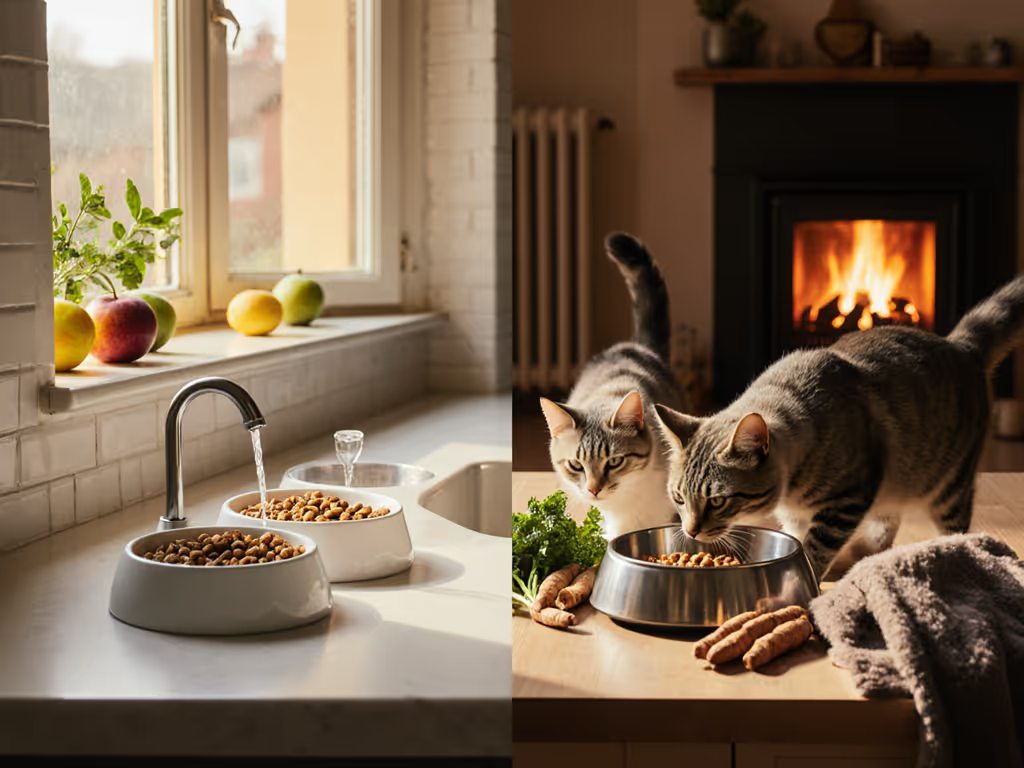
If you've noticed your cats eating less during hot summer months but suddenly demanding more food when it gets cold, you're witnessing a natural pattern that affects nearly all felines. Understanding seasonal cat feeding rhythms isn't just interesting, it's essential for maintaining summer vs winter cat nutrition balance, especially in multi-cat homes where one cat's changing appetite can disrupt harmony at the bowl. As a multi-cat household veteran who's mapped feeding pathways in countless tight spaces, I've seen how seasonal adjustments, when handled thoughtfully, can prevent resource guarding and keep all cats thriving year-round.
Why Cats Naturally Adjust Their Appetite
The Science Behind Seasonal Shifts
Multiple peer-reviewed studies, including a landmark four-year observation using microchip feeders, confirm what many cat guardians notice anecdotally: cats typically eat approximately 15% less during summer months compared to winter. This isn't random, it's a biological adaptation to changing environmental conditions. When outside temperatures rise and daylight hours lengthen, cats experience:
- Reduced energy needs for body temperature regulation
- Lower activity levels during the hottest parts of the day
- Natural hormonal shifts that regulate metabolism
A fascinating finding from University of Liverpool research is that even indoor-only cats show this pattern, despite consistent indoor temperatures. Why? Because cats' internal clocks respond to daylight changes through windows, proving that seasonal effects go deeper than just temperature.
What It Means for Your Multi-Cat Household
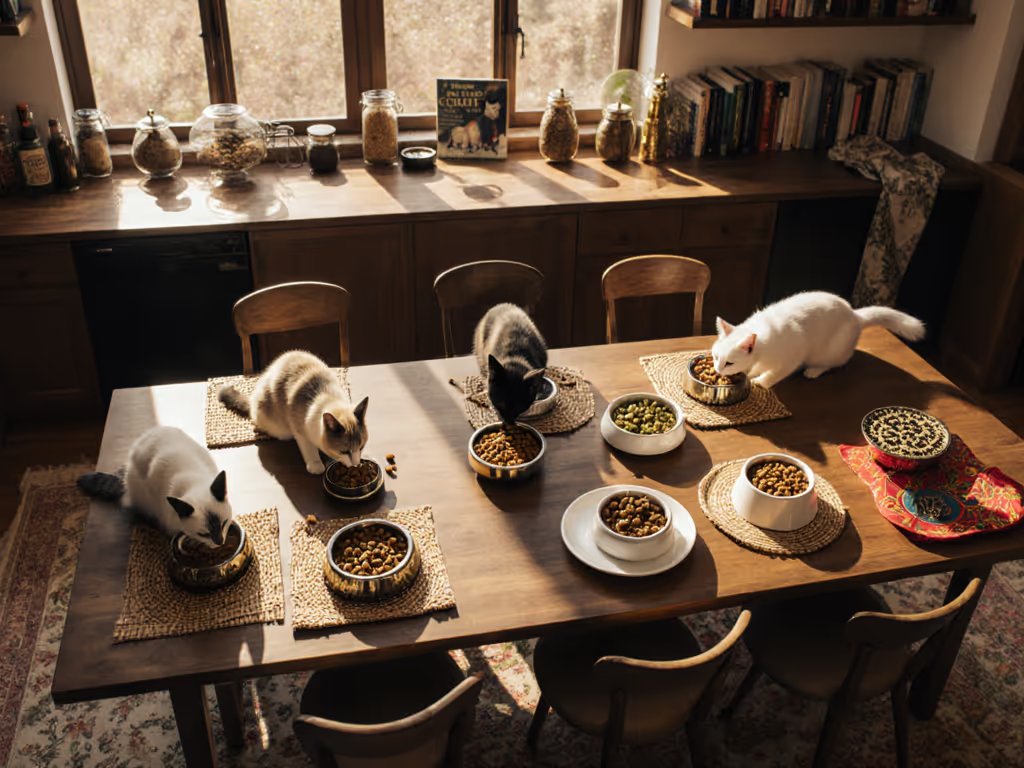
When one cat starts eating less in summer while another maintains their appetite, tensions can escalate quickly. I've witnessed this firsthand in my own one-bedroom apartment where my confident tabby would shadow the timid rescue at meals, leading to stolen breakfasts and stress. After mapping our feeding pathways and implementing staggered meal times, I saw how seasonal food adjustments could restore peace, not just by changing portions, but by creating protected access to food during each cat's natural hunger peaks.
Problem: The Seasonal Feeding Trap Many Owners Fall Into
Most cat guardians make the same mistake when they notice seasonal appetite changes: they either ignore the shifts entirely (risking overfeeding or underfeeding) or overreact with dramatic changes that disrupt established routines. Neither approach works well in multi-cat homes where:
- Dominant cats may exploit reduced appetite periods to steal food from others
- Slow eaters fall further behind when portions don't reflect their seasonal needs
- Special diet cats face greater risk of contamination or food theft
Worse still, many automatic feeders don't account for seasonal variations, delivering the same portions year-round regardless of changing needs. This one-size-fits-all approach often leads to weight fluctuations, increased resource guarding, and unnecessary stress during natural seasonal transitions.
Agitate: What Happens When You Ignore Seasonal Changes
Ignoring these biological patterns creates ripple effects throughout your household:
- Weight management issues as cats either gain weight from unnecessary summer calories or struggle to maintain weight in winter
- Increased food guarding when cats perceive resources as scarce during natural appetite dips
- Morning meal chaos when hungrier winter cats wake others demanding food earlier
- Hydration challenges as summer heat reduces appetite but increases water needs
In the tight quarters of an urban apartment, these issues magnify quickly. I've seen anxious cats stop eating altogether when they feel vulnerable during mealtime, only to have their more confident housemates finish their portions. This creates a vicious cycle where timid eaters become even more hesitant to approach bowls.
The good news? Temperature-based feeding adjustments don't require expensive equipment or complicated routines. With thoughtful planning, seasonal shifts can actually strengthen your feeding system rather than disrupt it.
Solve: Building Seasonal Awareness Into Your Routine
Track Before You Adjust
Before changing anything, document your cats' seasonal patterns for two weeks:
| Time Period | Cat 1 Intake | Cat 2 Intake | Notable Behavior | Temperature Range |
|---|---|---|---|---|
| 6:00-8:00 AM | 35g | 25g | No guarding | 68-72°F |
| 6:00-8:00 PM | 40g | 30g | Cat 1 finished first | 72-76°F |
Tracking reveals individual patterns rather than assuming all cats follow the same seasonal curve. For step-by-step timing ideas that flex with seasons, see our cat feeding schedule guide. Some older cats, for instance, may eat less across all seasons while younger cats show dramatic fluctuations.
Three-Step Seasonal Adjustment Strategy
- Monitor gradually over 2-3 weeks: Make small adjustments (5-7% of daily intake) rather than sudden changes
- Stagger meal times based on individual hunger cues rather than fixed schedules
- Create protected pathways so no cat blocks another's access during seasonal appetite shifts
I implemented this approach after my cats' breakfast scuffle last summer. By mapping their natural movement patterns and adjusting portions while maintaining calm, repeatable routines, I restored peace at mealtime without expensive gear.
Summer-Specific Tactics
During warmer months, focus on hot weather cat hydration and appetite maintenance:
- Serve meals during cooler morning/evening hours (6-8 AM and 7-9 PM)
- Add moisture to food through broth ice cubes or water-mixed kibble
- Position feeders away from heat sources and direct sunlight
- Consider smaller, more frequent meals as cats naturally prefer
"Fair feeding is behavior design, not just buying gadgets." This truth became clear when I stopped fighting my cats' summer appetite dip and instead designed routines that honored their natural rhythms.
Winter-Specific Tactics
Colder months require different approaches for cold weather feeding tips: If drafts or outdoor setups make meals chill quickly, consider heated feeding mats proven to keep food warm safely in winter.
- Gradually increase portions by 10-15% over 3-4 weeks
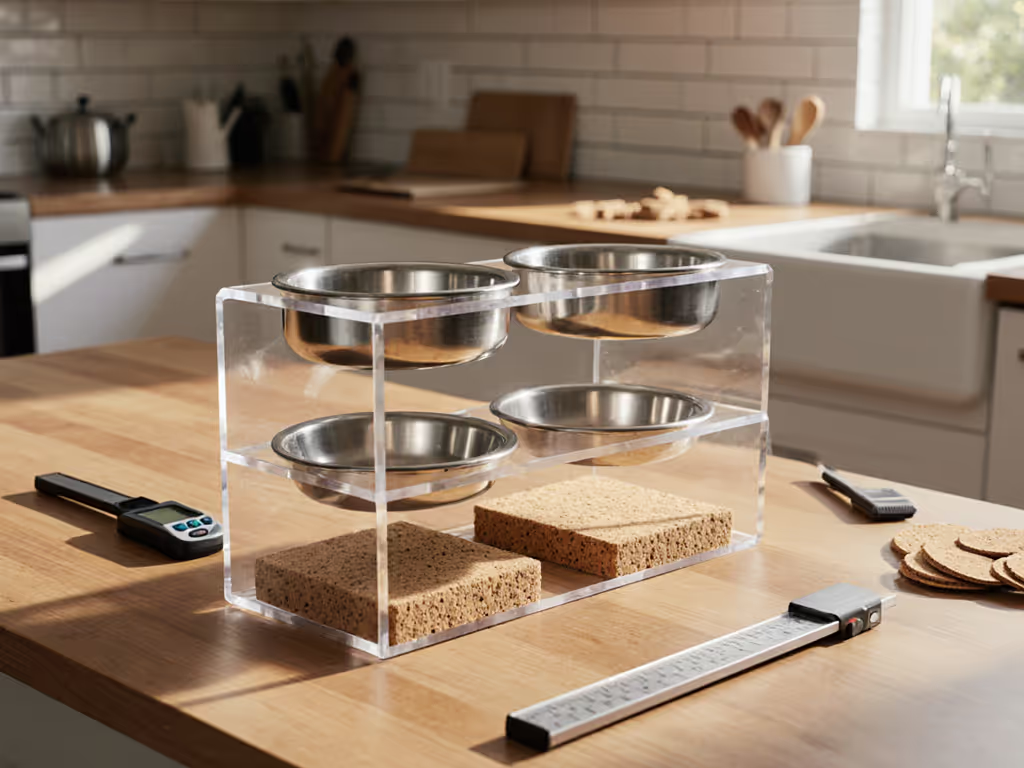
- Add warming elements like microwave-heated ceramic plates under bowls
- Schedule extra meals during natural energy dips (late afternoon)
- Maintain consistent room temperature near feeding zones
In my experience, the transition period (spring and fall) creates the most challenges. These shoulder seasons require vigilance as cats adjust their intake, this is when resource guarding often emerges as dominant cats sense shifting dynamics.
Multi-Cat Space Solutions for Seasonal Changes
In tight urban spaces, maximize efficiency with these layout adjustments:
- Create visual barriers using low bookshelves or room dividers between feeding stations
- Map clear pathways so no cat must pass another's zone to reach their bowl
- Position water stations at different locations from food (cats instinctively separate these)
- Use staggered timing for cats with different seasonal needs
I've helped dozens of apartment dwellers implement these simple space modifications, often using just rearranged furniture rather than new purchases. The key is consistency, once cats learn their protected pathways, seasonal shifts cause minimal disruption.
Troubleshooting Seasonal Feeding Challenges
| Problem | Likely Cause | Solution |
|---|---|---|
| Cat refuses food in summer | Heat discomfort | Feed in coolest room during early morning |
| Increased food guarding in winter | Perceived scarcity | Add visual barriers between feeders |
| Weight gain despite less summer eating | Inaccurate portioning | Measure each cat's intake separately |
| One cat eats for others | Dominance pattern | Staggered meal times with physical separation |
Optimizing Hydration Through Temperature Swings
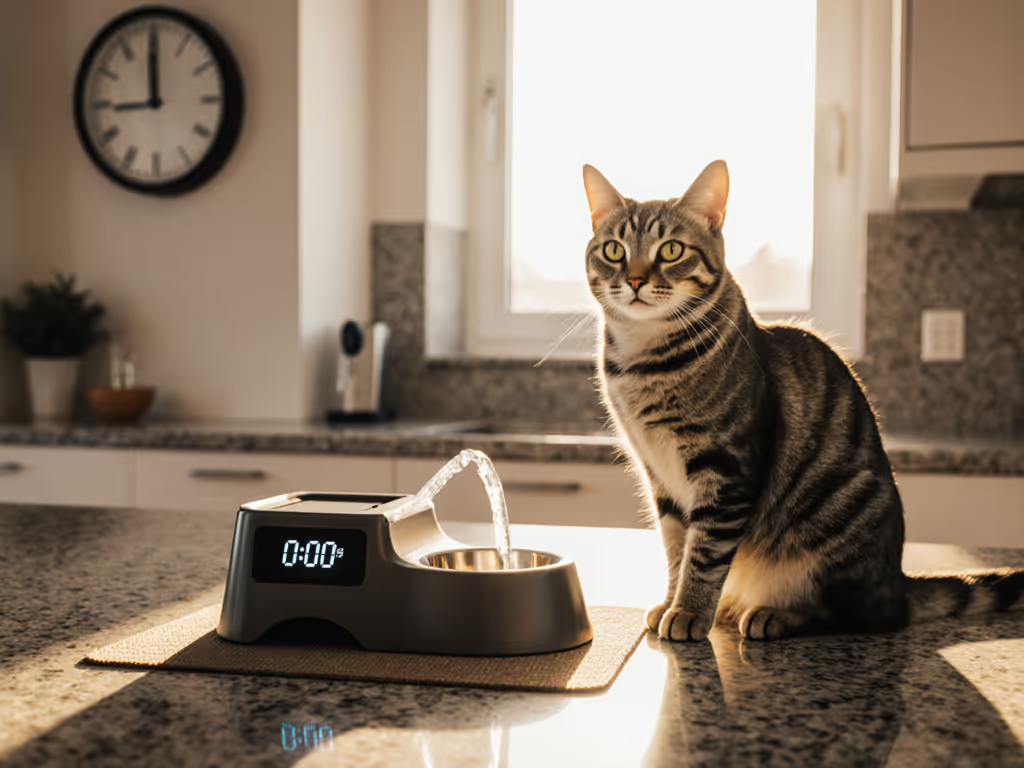
While seasonal eating patterns get attention, hot weather cat hydration deserves equal focus. Cats naturally drink more when temperatures rise, yet their reduced food intake means less moisture from food sources. This double challenge requires proactive solutions: A well-chosen fountain can help; start with our guide to water fountains that prevent dehydration.
- Add ice cubes to water bowls to keep water cool and tempting
- Place multiple water stations away from food areas
- Consider a fountain with adjustable flow settings to appeal to seasonal preferences
PRODUCT_FEATURE_BOX(Catit LED Flower Fountain)
Creating Your Year-Round Feeding Plan
The most successful cat guardians I've worked with don't treat seasonal changes as problems to fix, they build them into their feeding philosophy from day one. Start by:
- Tracking your cats' intake for one full year
- Identifying their individual seasonal patterns
- Designing flexible routines that accommodate natural shifts
This approach transforms seasonal changes from sources of stress into opportunities to strengthen your feeding system. Remember that harmony at the bowl isn't about perfect consistency, it's about predictable adaptations that honor your cats' biological rhythms.
Final Thoughts: Seasons as Part of the Solution
Understanding seasonal appetite patterns gives you powerful insight into your cats' natural rhythms rather than viewing them as problematic. By incorporating these shifts into your feeding design, you create a system that works with your cats rather than against them (a principle that has guided my approach since that first summer when I mapped pathways in my one-bedroom apartment).
Related Articles