Cat Feeding Posture: Why It Matters
By Diego Álvarez • 3rd Mar
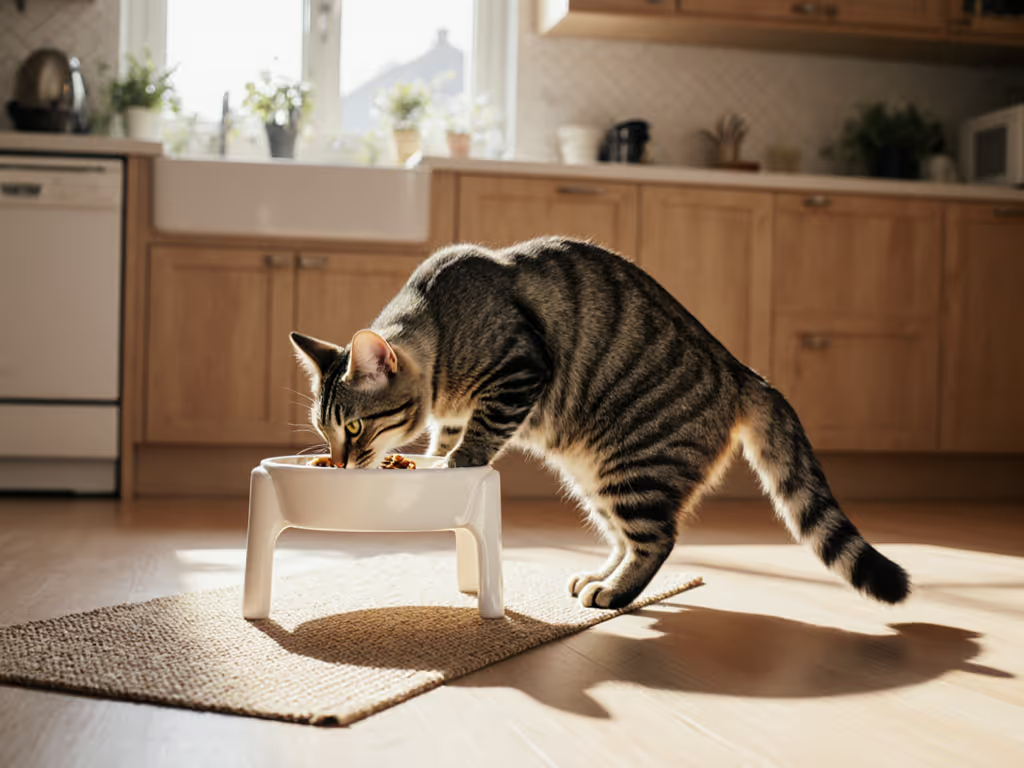
When your cat bends low to eat, their spine curves downward and their stomach compresses (the same strain you'd feel if forced to eat dinner hunched over a plate on the floor). Cat feeding posture is not cosmetic; it shapes digestion, joint health, and how willingly your cat approaches meals.
Most multi-cat households I've worked with assume the bowl goes on the ground because that's what they've always done. But once they understand how optimal feeding position for cats prevents bloating, vomiting, and mealtime conflict, the adjustment becomes obvious. This guide walks you through assessing your current setup, understanding what your cat's body needs, and building a calm, repeatable routine around proper feeding height.
Why Cat Feeding Posture Matters
Posture directly affects digestion and comfort. When cats eat from floor-level bowls, they crouch into a hunched position that compresses their chest and makes food passage to the stomach less efficient. An upright eating posture, by contrast, allows food to travel smoothly through the esophagus and reduces the likelihood of swallowing excess air, a root cause of bloating and regurgitation.
Senior cats and those with posture and feline health challenges feel the difference most acutely. As cats age, bending down to eat puts compounding strain on arthritic joints and the muscles supporting their spine. A cat that struggles to reach floor-level food may eat less throughout the day, compounding poor nutrition with reduced calorie intake. Similarly, flat-faced breeds like Persians and British Shorthairs experience real discomfort reaching bowls positioned low, leading to frustration and messy spills.
Beyond the physical, posture influences behavior. A cat eating in a tense, hunched position is more prone to rushing through meals, swallowing without proper chewing, which accelerates digestion problems and can worsen resource-guarding dynamics in multi-cat homes.
Step 1: Map Your Current Setup
Before adjusting anything, document what's happening now.
Draw a Simple Room Map
Sketch your kitchen or dining area. Mark:
- Where bowls sit (distance from walls, appliances, cat access paths)
- Where each cat eats if you have multiples
- Spill patterns and clutter zones
- Water bowl location relative to food
- Any barriers or gates in place
This visual snapshot reveals whether cats are eating in a crowded corner, competing for space, or if one cat is shadowing the other at meals (common triggers for resource guarding and rushed eating). For room-by-room layout tips that reduce tension, see our cat feeding zone design guide.
Observe Eating Behavior for 3-5 Days
Without making changes, note:
- How long each cat spends at the bowl
- Whether they finish meals or leave food
- Signs of discomfort: hesitation, head shaking, stretching after eating
- Any gagging, vomiting, or fast-eating patterns
- Posture: Is their head level with their shoulders, or are they crouching sharply?
- Multi-cat dynamics: Does one cat wait until the other eats, or do they feed simultaneously?
This baseline helps you measure whether height adjustment truly changes behavior and digestion.
Step 2: Understand Feline Feeding Ergonomics
Cat ergonomics isn't about luxury; it's about aligning the bowl with your cat's natural anatomy. In the wild, cats catch prey at a height that doesn't require severe downward bending. Domesticated cats retain this instinct, and optimal feeding height respects it.
The ideal feeding height is typically 4-6 inches above the ground, though the right distance depends on your cat's size and age. A senior or large cat benefits from greater elevation; a kitten or petite adult may need less.
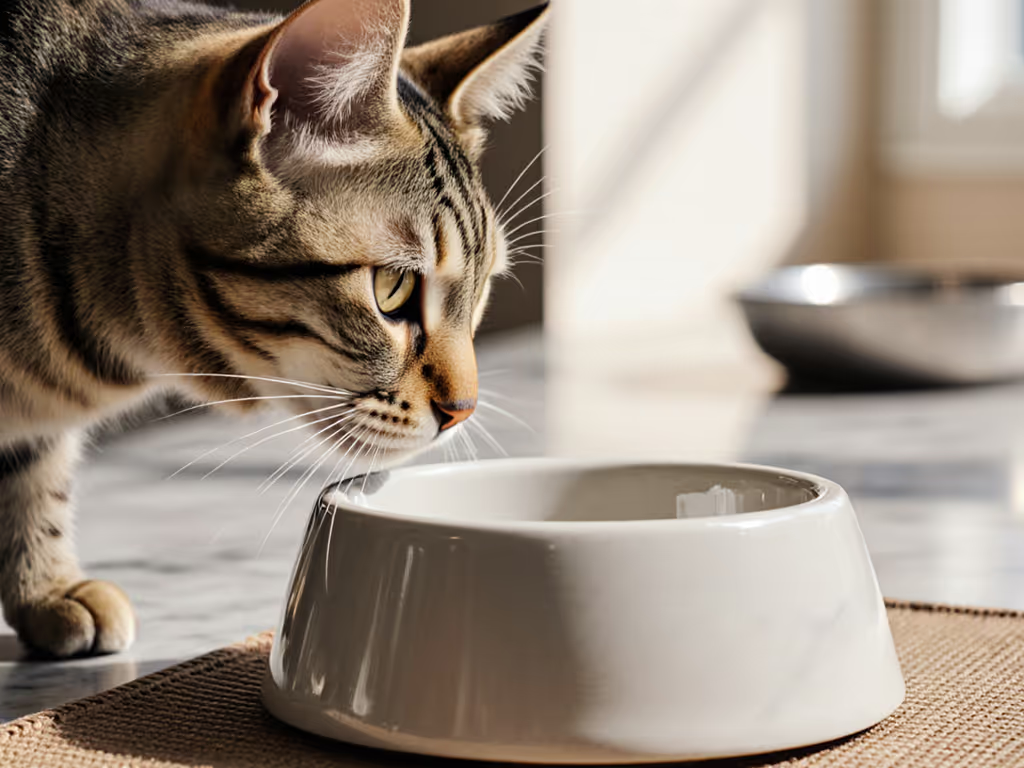
Feeding height for digestive health also includes bowl geometry. Wide, shallow bowls reduce whisker contact with edges (whisker fatigue, though sometimes overstated, does cause stress and aversion in sensitive cats). Avoid bowls with steep or narrow sides that force your cat's face deeper into the dish.
Step 3: Assess Your Cats' Individual Needs
Different cats need different approaches, especially in multi-cat homes.
Senior or Arthritic Cats
Elevated bowls are essential. These cats may avoid eating if reaching food triggers joint pain, leading to weight loss and nutritional decline. An elevated position eliminates the bend-down stretch and eases muscle tension throughout their body.
Fast Eaters
Cats that gulp benefit significantly from elevated bowls. Pair elevation with slow feeders for cats to further slow intake and ease digestion. The upright posture naturally slows consumption and supports calmer, more deliberate chewing. In multi-cat households, this can reduce competitive eating and associated tension.
Cats with Vomiting or Digestive Sensitivity
If your cat regularly regurgitates, especially shortly after eating, anatomy-based feeding setup becomes therapeutic. Proper height and posture mean food moves through the digestive tract without the air pockets that trigger vomiting.
Flat-Faced or Brachycephalic Breeds
Persians and similar breeds struggle with floor-level bowls due to their shortened muzzles. Elevation reduces facial strain and makes eating less frustrating, increasing meal enjoyment and consistency.
Step 4: Choose and Implement the Right Height
Elevation doesn't require expensive equipment. Options range from simple risers to custom stands, depending on your setup and aesthetic preferences.
Establish Your Target Height
Measure your cat from the ground to the midpoint of their chest when standing in a relaxed stance. The bowl should sit at or just slightly below this level, allowing your cat to eat with their head nearly level and their shoulders upright.
Start with a Trial Period
If using a raised feeder for the first time, monitor eating for 5-7 days. Look for:
- Increased meal duration (chewing, not rushing)
- Reduced spilling or vomiting
- More relaxed posture at the bowl
- Willingness to finish meals fully
If your cat resists the new height, you may have raised it too high or too quickly. Lower it slightly or make the transition gradual by raising the bowl incrementally every 2-3 days.
Step 5: Multi-Cat Coordination
In households with multiple cats, calm, repeatable routines at feeding time prevent conflict and ensure each cat eats in a supported posture.
If cats eat simultaneously:
- Place bowls at least 3 feet apart to reduce territorial tension
- Use matching heights so no cat has a dominance advantage
- Observe whether one cat eats faster; if so, consider separate feeding times (see below)
If cats eat at staggered times:
- Create a time-blocked schedule (Cat A: 7 a.m., Cat B: 7:15 a.m.) to avoid overlap
- Use gates or doors to confine each cat to their feeding zone during their time slot
- This approach eliminates food theft and allows each cat to eat calmly without guarding behaviors
In my experience, when a confident cat would shadow a timid one at meals, the real fix wasn't a bigger bowl, it was separating them during eating and adding staggered access. Within a week, both cats ate without tension, their postures relaxed, and guarding behaviors disappeared. If food stealing persists, protected-access multi-cat feeders that stop food bullying can enforce fair portions without stress. Fair feeding is behavior design, not just buying gadgets.
Step 6: Monitor and Adjust
After 2-3 weeks at the new height, assess changes:
- Digestion: Fewer vomiting incidents or bloating signs?
- Eating pace: Is your cat chewing more deliberately?
- Meal completion: Are bowls emptier, or is your cat eating more consistently?
- Posture: Is the hunched crouch gone, replaced by an upright stance?
- Multi-cat harmony: Less resource guarding or competitive behavior?
If you don't see improvement, revisit your map. Sometimes the height is right, but the bowl's location (near a noisy appliance or in a high-traffic zone) still triggers stress or rushing. Moving the feeding station to a quieter, more protected corner can be as valuable as the height itself.
Troubleshooting Checklist
- Cat avoids the elevated bowl: Try lowering it slightly, or ensure the bowl material isn't too slippery or cold to the touch.
- Increased spilling: The height may be too high, or the bowl too narrow. Use a wider, shallower design.
- Vomiting persists: Consult your vet to rule out underlying issues, but also check that the bowl height isn't creating tension or rushing in multi-cat homes.
- One cat eats all the food: Separate feeding times or locations; don't assume height alone will prevent resource guarding.
Conclusion
Proper cat feeding posture is foundational to health, digestion, and household calm. By mapping your current setup, understanding your cats' individual needs, and adjusting height and routine together, you remove friction from one of the day's most important moments. The investment is small (a raised feeder or simple stand), but the payoff reaches far: easier digestion, less vomiting, reduced conflict in multi-cat homes, and the quiet satisfaction of watching your cat eat with ease.
Start by observing your cat's current posture and behavior for a few days. Then raise the bowl incrementally and monitor the changes. You'll likely see the difference within weeks. Fair feeding starts here.
Related Articles